

Can conductive nickel alloy be used in sensors?
Jan 09, 2026
Hey there! As a supplier of conductive nickel alloy, I often get asked whether conductive nickel alloy can be used in sensors. Well, let's dive right into this topic and explore the possibilities.
First off, let's understand what conductive nickel alloy is. Conductive nickel alloys are a group of materials that combine the excellent conductivity of nickel with other elements to enhance certain properties. These alloys have high electrical and thermal conductivity, good corrosion resistance, and mechanical strength. These features make them quite attractive for various applications, and sensors are no exception.
Why Sensors Need Conductive Materials
Sensors are devices that detect and respond to some type of input from the physical environment. The input can be light, heat, motion, moisture, pressure, or any one of a great number of other environmental phenomena. For sensors to work effectively, they need to be able to convert the physical input into an electrical signal that can be measured and analyzed. That's where conductive materials come in. Conductive materials allow the flow of electric current, which is crucial for signal transmission within the sensor.
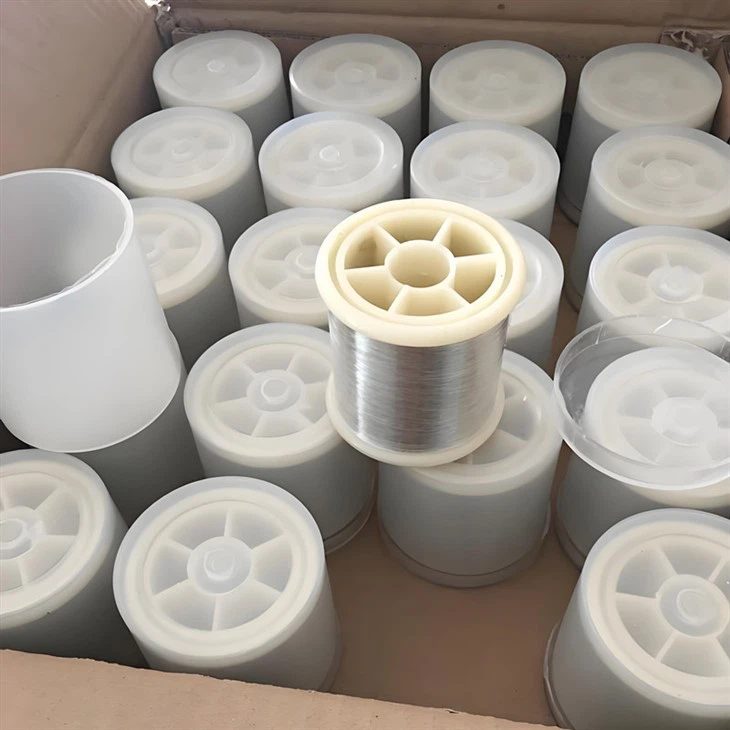

Properties of Conductive Nickel Alloy for Sensors
One of the key advantages of using conductive nickel alloy in sensors is its high electrical conductivity. This means that signals can be transmitted quickly and efficiently through the sensor, reducing signal loss and improving the overall performance. For example, in temperature sensors, the ability to quickly transfer electrical signals can lead to more accurate and real - time temperature readings.
Another important property is corrosion resistance. Many sensors are used in harsh environments where they are exposed to moisture, chemicals, and other corrosive substances. Conductive nickel alloys have a natural resistance to corrosion, which helps to extend the lifespan of the sensor. This is especially important in industrial applications where sensors may be used in chemical plants, oil refineries, or other corrosive settings.
Mechanical strength is also a plus. Sensors may be subjected to mechanical stress during installation, operation, or handling. Conductive nickel alloys are strong and durable, which means they can withstand these stresses without deforming or breaking. This ensures the long - term reliability of the sensor.
Specific Types of Sensors and Conductive Nickel Alloy
Let's take a look at some specific types of sensors where conductive nickel alloy can be used.
Pressure Sensors
Pressure sensors are used to measure the pressure of gases or liquids. Conductive nickel alloy can be used in the sensing element of these sensors. The alloy's conductivity allows for the conversion of pressure - induced mechanical deformation into an electrical signal. Its mechanical strength ensures that the sensor can withstand high pressures without damage. For example, in automotive applications, pressure sensors are used to monitor tire pressure, engine oil pressure, and fuel pressure. Conductive nickel alloy can provide reliable performance in these demanding environments.
Temperature Sensors
As mentioned earlier, temperature sensors rely on the transfer of electrical signals to measure temperature accurately. Conductive nickel alloy can be used in the thermocouple or resistance temperature detector (RTD) components of these sensors. The high electrical conductivity of the alloy enables fast and accurate temperature sensing. Moreover, its corrosion resistance makes it suitable for use in high - temperature and corrosive environments, such as in industrial furnaces or aerospace applications.
Gas Sensors
Gas sensors are used to detect the presence and concentration of various gases. Conductive nickel alloy can be used as a sensing electrode in some types of gas sensors. The alloy's conductivity allows for the detection of changes in electrical properties when it comes into contact with the target gas. Its corrosion resistance is also beneficial as gas sensors may be exposed to different types of gases, some of which can be corrosive.
Popular Conductive Nickel Alloys for Sensors
There are several popular conductive nickel alloys that are commonly used in sensors. One such alloy is Nickel Alloy 200. It is a commercially pure wrought nickel with excellent corrosion resistance and high electrical conductivity. Nickel Alloy 200 is often used in applications where high - purity nickel is required, such as in some types of temperature and pressure sensors.
Another well - known alloy is Nickel 201. Similar to Nickel Alloy 200, but with a lower carbon content, Nickel 201 is suitable for use in high - temperature applications. Its low carbon content helps to prevent graphitization at high temperatures, which can improve the long - term stability of the sensor.
Challenges and Considerations
While conductive nickel alloy has many advantages for sensor applications, there are also some challenges and considerations.
Cost can be an issue. Conductive nickel alloys can be more expensive than some other conductive materials, such as copper. This may limit their use in cost - sensitive applications. However, the long - term benefits in terms of performance and reliability may outweigh the initial cost in many cases.
The manufacturing process can also be complex. Producing sensors with conductive nickel alloy requires specialized equipment and expertise. This can increase the production time and cost. But as technology advances, the manufacturing processes are becoming more efficient, which may help to reduce these issues in the future.
Conclusion
So, can conductive nickel alloy be used in sensors? The answer is a resounding yes! Its high electrical conductivity, corrosion resistance, and mechanical strength make it a great choice for a wide range of sensor applications. Whether it's pressure sensors, temperature sensors, or gas sensors, conductive nickel alloy can provide reliable and high - performance solutions.
If you're in the market for conductive nickel alloy for your sensor applications, I'd love to have a chat with you. We can discuss your specific needs, the best alloy for your project, and how we can work together to get you the right product. Don't hesitate to reach out and start the conversation about procurement. Let's make your sensor projects a success!
References
- "Handbook of Nickel and Its Alloys" by George E. Totten
- "Sensors and Actuators: Fundamentals and Applications" by Andreas Hierlemann and Herbert Baltes