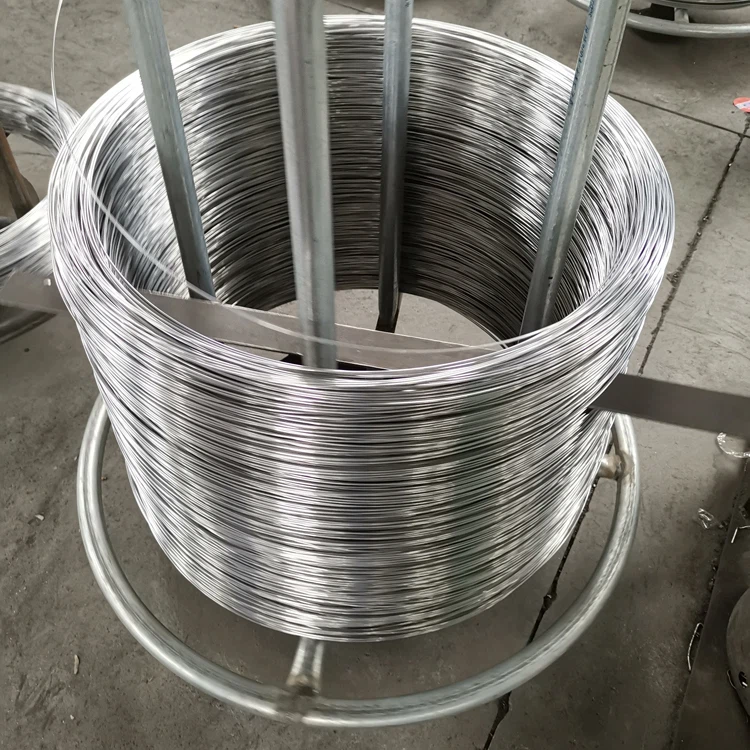
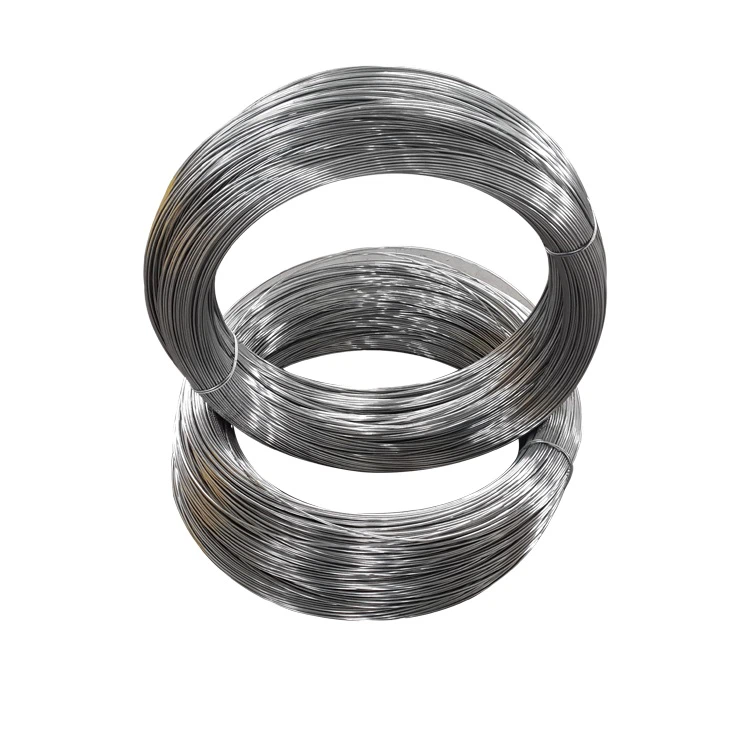
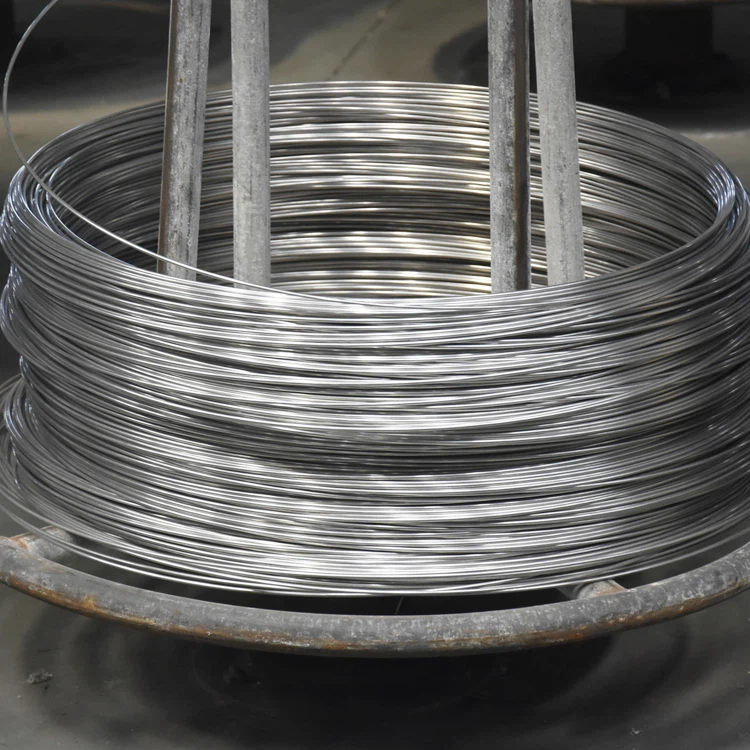
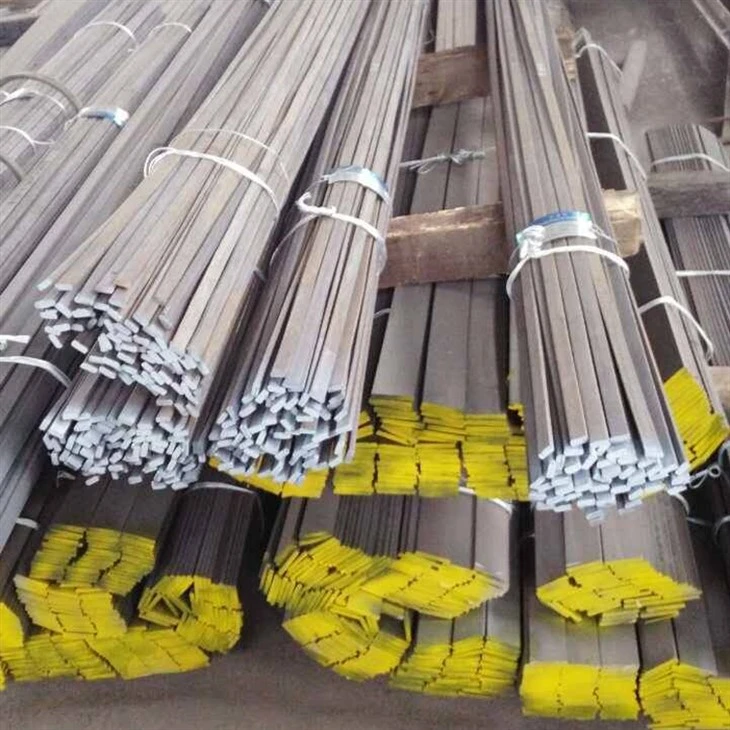
Heat-resistant Steel

Your Professional Heat-resistant Steel Manufacturer!


Taizhou Aoyuan Alloy Materials Co., Ltd. is located in Taizhou City, Jiangsu Province, the core industrial zone of the Yangtze River Delta in China. It is a high-tech enterprise integrating R&D, production and sales. The company focuses on the innovation and manufacturing of special materials such as high-resistance electric heating alloys, high-temperature alloys, and high-temperature corrosion-resistant alloys. Its products are widely used in aerospace, energy and power, electronics and electrical appliances, petrochemicals, high-end equipment manufacturing and other fields. With advanced technical strength and strict quality control, Aoyuan Alloy has become one of the core suppliers in the field of special alloy materials at home and abroad.


Why Choose Us

Technical highlights

We have our own full-process production line of smelting-hot rolling-cold drawing-finishing, and use advanced processes such as vacuum induction melting (VIM) and electroslag remelting (ESR) to ensure the uniformity of material composition and consistency of performance.

Production capacity

Annual production of special alloy materials exceeds 5,000 tons, equipped with spectrum analyzers, electronic universal testing machines, metallographic microscopes and other testing equipment to achieve full quality control from raw materials to finished products.

Certification system

Passed ISO 9001 quality management system and ISO 14001 environmental management system certification, and some products meet international standards such as ASTM, GB, and DIN.

Customized service

Design alloy composition, processing technology or shape for special needs (such as extreme temperature, corrosive environment, etc.). Support personalized processing of wires, bars, strips and special-shaped parts, and respond quickly to customer needs.


Global Grade Equivalents


Country/Standard

Designation

China

06Cr18Ni11Ti (GB/T)

USA

S32100 (ASTM), 321

Japan

SUS321 (JIS)

Germany

1.4541 (DIN)

Europe

X6CrNiTi18-10 (EN)


Physical & Mechanical Properties (Annealed)


Density

8.03 g/cm³

Melting Point

1398-1427°C

Tensile Strength

≥520 MPa

Yield Strength

≥205 MPa

Elongation

≥40%

Hardness

≤187 HB


Advantages of Heat-resistant Steel
 

High-Temperature Strength and Stability
By adding alloying elements like chromium (Cr), molybdenum (Mo), and nickel (Ni), heat-resistant steel retains high strength and deformation resistance even at elevated temperatures. This makes it ideal for boilers, gas turbine blades, and other high-temperature, high-pressure components.


Oxidation and Corrosion Resistance
Heat-resistant steels are designed to resist oxidation, which is the process where a material reacts with oxygen, leading to corrosion and degradation.This is particularly important in high-temperature environments where oxidation can accelerate.The formation of a protective oxide layer on the surface of the steel helps to prevent further oxidation.


Creep Resistance
Creep is the tendency of a material to deform permanently under the influence of stresses, particularly at high temperatures.
Heat-resistant steels are engineered to resist creep, meaning they can withstand sustained loads at high temperatures without deforming excessively.


Thermal Fatigue Resistance
Impact of Temperature Fluctuations: Repeated heating-cooling cycles cause cracks due to thermal expansion and contraction.
Adaptability of Heat-Resistant Steel: Materials like austenitic heat-resistant steel, with high thermal conductivity and low thermal expansion coefficients, minimize thermal stress buildup.


Cost-Effectiveness and Longevity
While heat-resistant steel costs 2–5 times more than ordinary steel, its extended lifespan in high-temperature environments reduces downtime and replacement frequency. For example, heat-resistant reactors in refineries can operate continuously for years, whereas ordinary steel equipment may require maintenance within months.


Applications of Heat-resistant Steel


‌Aerospace

Heat-resistant steel is used in the aerospace field to manufacture aircraft engine parts, gas turbines, rocket engines and combustion chambers, nozzles and other parts of aerospace vehicles. These parts need to work in high temperature and high pressure environments, and the high temperature strength and creep resistance of heat-resistant steel make it an ideal material.

‌Energy and Chemical Industry

In the fields of petrochemicals, power equipment manufacturing, etc., heat-resistant steel is used to manufacture reactors, high-pressure pipelines, boilers, heat exchangers and other equipment. These equipment operate in high temperature and corrosive environments, and the high temperature and corrosion resistance of heat-resistant steel ensure the long-term stable operation of the equipment.

‌Automobile Manufacturing

In the automotive manufacturing industry, heat-resistant steel is used to manufacture exhaust systems, turbochargers and other parts. These parts need to withstand high temperature and high-speed operation environments, and the high temperature strength and oxidation resistance of heat-resistant steel make it an ideal choice.

‌Metallurgical Industry

In the metallurgical industry, heat-resistant steel is used to manufacture high-temperature furnaces, steelmaking equipment, etc. These devices need to work in high temperature environments, and the high temperature stability and corrosion resistance of heat-resistant steel ensure the smooth progress of the production process.

Other industrial fields

Heat-resistant steel is also widely used in shipbuilding, nuclear energy, glass manufacturing, ceramics and other industries. For example, in glass manufacturing, heat-resistant steel is used to manufacture high-temperature furnaces and furnaces; in the field of nuclear energy, heat-resistant steel is used to manufacture reactor components to ensure its stable operation in high radiation and high temperature environments.


Types Of Heat-resistant Steel
Heat-Resistant Steel 321

Low alloy heat-resistant steel: Mainly by adding alloy elements such as Cr, Mo, V, Ti to ordinary carbon steel to improve the creep strength and structural stability of steel. This type of steel shows good strength and toughness at high temperatures and is suitable for various industrial fields.


Medium alloy heat-resistant steel: The main alloying element is Cr. With the increase of Cr content, high temperature resistance and oxidation resistance are enhanced. In order to improve creep strength and reduce temper brittleness, elements such as Mo are usually added. This type of steel performs well in medium and high temperature environments and is widely used in petrochemical and power industries.


High alloy heat-resistant steel: Has high mechanical properties and oxidation resistance at temperatures above 600℃. According to its basic alloy system, it can be divided into chromium-nickel type and high chromium type. Elements such as Ti, Nb, Al, W, V, Mo, B, Si, Mn and Cu are often added to improve performance. This type of steel is suitable for extreme high temperature environments, such as aircraft engines and nuclear reactors.


‌Austenitic heat-resistant steel‌: It is mainly composed of austenite-forming elements such as nickel, manganese, and nitrogen. It has good toughness, machinability, and weldability, and is suitable for high-temperature environments above 600°C‌.


‌Martensitic heat-resistant steel‌: The chromium content is generally 7-13%. It has high high-temperature strength and water vapor corrosion resistance below 650°C, but poor weldability‌.


‌Ferritic heat-resistant steel‌: It is rich in chromium, aluminum, silicon and other elements, forming a single-phase ferrite structure, with good oxidation resistance and high-temperature gas corrosion resistance, but relatively low high-temperature strength and poor weldability‌.


‌Pearlite heat-resistant steel‌: It is mainly composed of chromium and molybdenum, and the total amount generally does not exceed 5%. It has good high-temperature strength and process performance in the temperature range of 500-600°C, and is widely used in the manufacture of heat-resistant parts below 600°C‌.


Tips for using heat-resistant steel


Welding skills
‌Welding methods‌: There are many methods for welding heat-resistant steel, commonly used are arc welding, submerged arc welding and tungsten inert gas welding. For chromium-molybdenum heat-resistant steel, the commonly used welding methods are tungsten inert gas welding for base laying and arc welding for filling and covering. Other methods include melt inert gas shielded welding (MIG welding), CO2 gas shielded welding, electroslag welding and submerged arc automatic welding‌.

‌Welding materials‌: When selecting welding materials, it should be ensured that the alloy composition and strength properties of the weld metal are consistent with the corresponding indicators of the parent material, or meet the minimum performance indicators specified in the product technical conditions. Low-hydrogen alkaline electrodes are a better choice. The electrodes or flux should be dried according to the specified process and taken out as needed‌.

‌Welding process measures‌: To prevent reheat cracks, welding materials with better high-temperature plasticity than the parent material should be selected, the preheating temperature and interlayer temperature should be appropriately increased, and low heat input welding methods and processes should be adopted to shorten the holding time in the sensitive temperature range. Reasonable design of joint form to reduce joint constraint‌.


Material selection
‌Low alloy heat-resistant steel‌: This type of steel mainly improves creep strength and structural stability by adding alloying elements such as Cr, Mo, V, and Ti. Its carbon content is usually controlled below 0.2% to ensure good weldability‌.

‌Medium alloy heat-resistant steel‌: The main alloying element is Cr. As the Cr content increases, the high temperature resistance and high temperature oxidation resistance are improved. Elements such as Mo are often added to improve creep strength and reduce temper brittleness‌.

‌High alloy heat-resistant steel‌: It has high mechanical properties and oxidation resistance above 600℃ and is often used for key components in high temperature environments. Alloy elements include Cr, Ni, W, V, Mo, etc.‌.


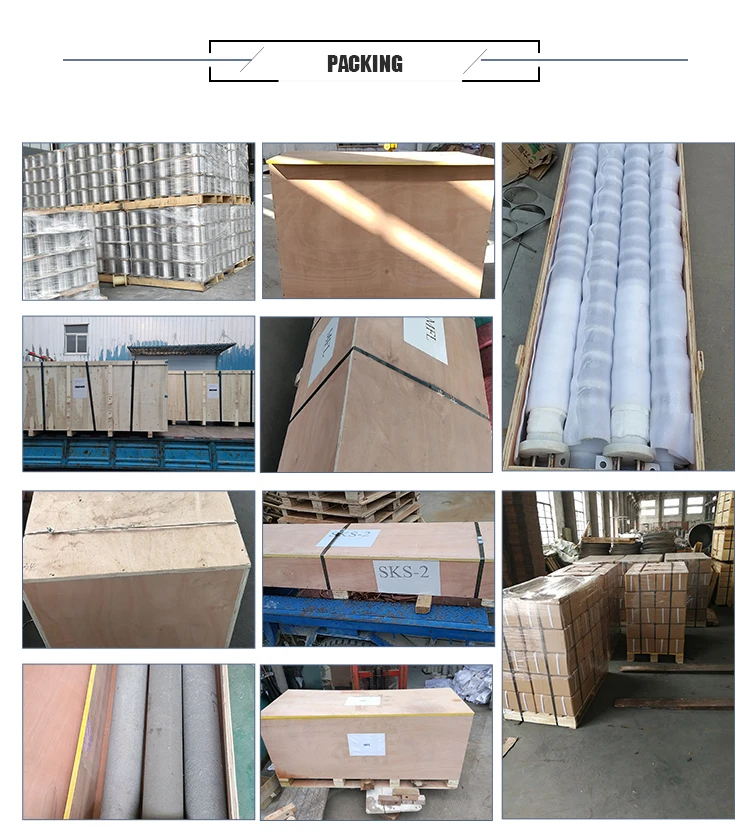
Packaging and Delivery


productcate-1-1

productcate-1-1


FAQ

Q: Do you provide samples ? is it free or extra ?

A: Yes, we could offer the sample for free charge, Would you mind paying the freight fee?

Q: How long is your delivery time?

A: Generally it is 5-10 days if the goods are in stock. or it is 15-20 days if the goods are not in stock, it is according to quantity.

Q: What is your terms of payment ?

A: Payment<=1000USD, 100% in advance. Payment>=1000USD, 30% T/T in advance ,balance before shippment.

Q: Do you test all your goods before delivery?

A: Yes, we have 100% test before delivery.

Q: What is a heat-resistant steel?

A: Heat resistant steel is strengthened using alloys, heat treatment, solid solution, and precipitation. Chromium is present in all types of heat resistant steel, offering oxidation resistance, high-temperature strength, and carburization resistance. Chromium makes heat resistant steel ferritic.

Q: What is heat-resistant steel used for?

A: The steel is hard wearing and offers a resistance to large variations in temperature. Industrial applications include furnaces, heat exchanges and incinerators where temperatures can reach in excess of 1100°C.

Q: What is the melting point of heat-resistant steel?

A: Steel is an alloy of iron and carbon, and depending on the type and composition, its melting point typically ranges from 1370 to 1520 degrees Celsius (2500 to 2770 degrees Fahrenheit). Compared to pure iron, the melting point of steel is lowered by the alloying components carbon and other.

Q: What is the difference between heat-resistant steel and corrosion resistant steel?

A: As a group, heat-resistant compositions are higher in alloy content than the corrosion-resistant types. The heat-resistant alloys are composed principally of nickel, chromium and iron to- gether with small percentages of other elements. Nickel and chromium contribute to the superior heat resistance of these materials.

We're professional heat-resistant steel manufacturers and suppliers in China, specialized in providing high quality customized products. We warmly welcome you to wholesale high-grade heat-resistant steel made in China here from our factory.

309S heat resistant steel, 310s stainless steel pipe, Titanium Stabilized Stainless Steel wire

(0/10)

clearall