

How does heat - resistant steel perform in high - temperature steam environments?
Sep 09, 2025
Hey there! As a heat-resistant steel supplier, I've gotten tons of questions about how our products perform in high-temperature steam environments. So, I thought I'd sit down and share some insights on this topic.
First off, let's talk about why high-temperature steam environments are such a big deal. Steam at high temperatures can be extremely corrosive. It can cause oxidation, which is basically when the metal reacts with oxygen in the steam to form rust or other oxides. This oxidation can weaken the steel over time, leading to issues like cracking, pitting, and loss of strength. Plus, high temperatures can also affect the mechanical properties of the steel, making it more brittle or reducing its ability to withstand stress.
Now, let's dive into how heat-resistant steel holds up in these tough conditions. One of the key factors is the composition of the steel. Heat-resistant steels are typically alloyed with elements like chromium, nickel, and molybdenum. Chromium is a superstar when it comes to oxidation resistance. It forms a thin, protective oxide layer on the surface of the steel, which acts as a barrier between the metal and the steam. This layer prevents further oxidation and helps keep the steel intact. Nickel, on the other hand, improves the steel's toughness and ductility at high temperatures. It also enhances the corrosion resistance, especially in environments where there are other corrosive elements present. Molybdenum adds to the strength and corrosion resistance, particularly in acidic or chloride-rich steam environments.
Let's take a look at some specific types of heat-resistant steel that we supply and how they perform in high-temperature steam.
One popular option is Aisi 904l Stainless Steel. This steel is known for its excellent corrosion resistance in a wide range of environments, including high-temperature steam. It has a high nickel and molybdenum content, which gives it great resistance to pitting and crevice corrosion. In high-temperature steam, the protective oxide layer formed by the chromium in the steel helps prevent oxidation, while the nickel and molybdenum enhance the overall corrosion resistance. This makes it a great choice for applications like steam turbines, heat exchangers, and boiler components.
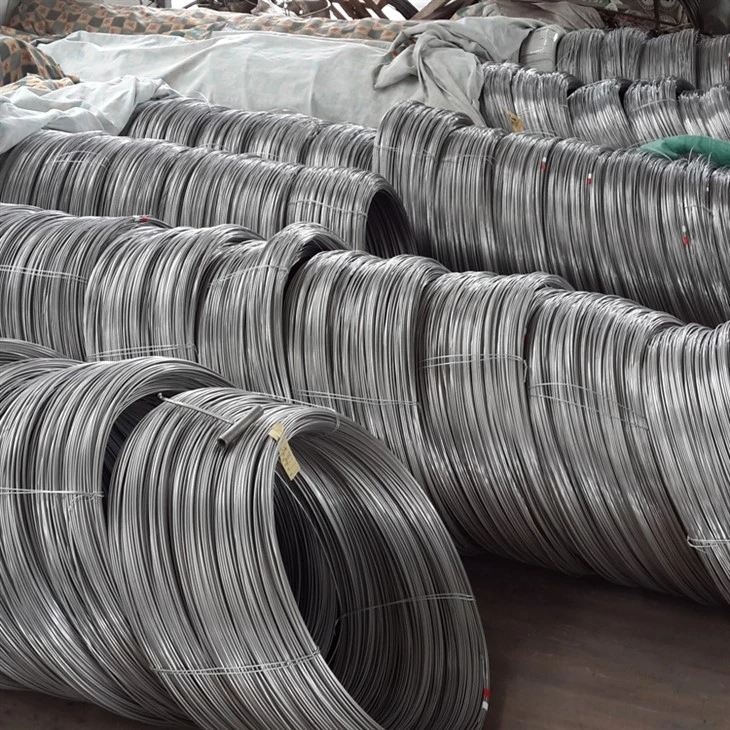
Another option is 314 Stainless Steel Wire. This steel is specifically designed for high-temperature applications. It has a high chromium and silicon content, which gives it excellent oxidation resistance at elevated temperatures. In high-temperature steam, the silicon in the steel helps form a more stable oxide layer, which provides better protection against oxidation. The high chromium content also contributes to the corrosion resistance. This makes 314 stainless steel wire a good choice for applications like furnace components, heating elements, and kiln furniture.
And then there's 310S Stainless Steel Wire. This steel is well-known for its high-temperature strength and oxidation resistance. It has a high chromium and nickel content, which gives it excellent resistance to scaling and oxidation at temperatures up to around 1150°C. In high-temperature steam, the protective oxide layer formed by the chromium and nickel helps prevent oxidation and corrosion. This makes 310S stainless steel wire suitable for applications like exhaust systems, heat treatment equipment, and industrial furnaces.
But it's not just about the composition of the steel. The manufacturing process also plays a crucial role in how the heat-resistant steel performs in high-temperature steam environments. For example, proper heat treatment can improve the steel's microstructure, which in turn can enhance its mechanical properties and corrosion resistance. Surface finishing also matters. A smooth, clean surface can help prevent the accumulation of contaminants, which can lead to corrosion.
In addition to the steel itself, the operating conditions in the high-temperature steam environment also need to be considered. Factors like the temperature, pressure, steam purity, and flow rate can all affect the performance of the heat-resistant steel. For example, higher temperatures and pressures can increase the rate of oxidation and corrosion. Impurities in the steam, such as sulfur or chloride, can also accelerate the corrosion process. And a high flow rate of steam can cause erosion, which can damage the protective oxide layer on the steel surface.
So, how can you ensure that the heat-resistant steel you choose will perform well in your high-temperature steam application? First, it's important to work with a reliable supplier, like us. We have the expertise and experience to help you select the right type of steel for your specific needs. We can also provide you with detailed information about the steel's properties and performance in different environments.
Second, make sure to follow the proper installation and maintenance procedures. This includes proper cleaning, inspection, and repair. Regular inspections can help detect any signs of corrosion or damage early on, so that you can take corrective action before it becomes a major problem.
Finally, if you have any questions or need more information, don't hesitate to reach out to us. We're here to help you find the best heat-resistant steel solution for your high-temperature steam application. Whether you're in the power generation, chemical processing, or manufacturing industry, we can provide you with the high-quality heat-resistant steel products and support you need.
In conclusion, heat-resistant steel can perform very well in high-temperature steam environments, thanks to its unique composition and manufacturing processes. By choosing the right type of steel, following proper installation and maintenance procedures, and working with a reliable supplier, you can ensure that your heat-resistant steel components will last for a long time and perform at their best.

If you're interested in learning more about our heat-resistant steel products or have any procurement inquiries, feel free to get in touch. We'd love to have a chat and discuss how we can meet your heat-resistant steel needs.
References
- ASM Handbook Volume 13A: Corrosion: Fundamentals, Testing, and Protection
- Stainless Steel World Magazine articles on high-temperature corrosion