

How does the welding atmosphere affect the quality of FeCrAl Alloy Foil welds?
Aug 19, 2025
How does the welding atmosphere affect the quality of FeCrAl Alloy Foil welds?
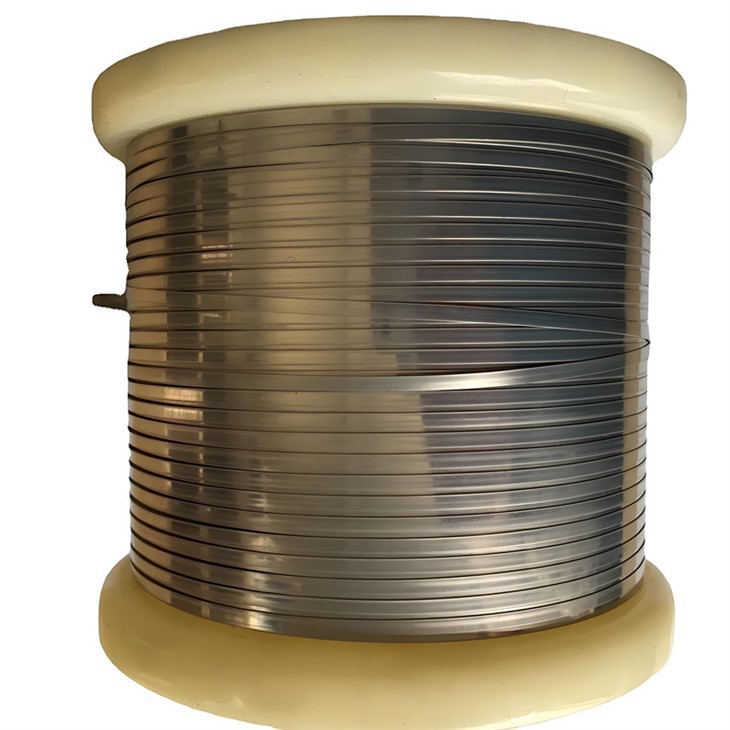
As a supplier of FeCrAl Alloy Foil, I've witnessed firsthand the crucial role that the welding atmosphere plays in determining the quality of welds for this specialized material. FeCrAl alloys are renowned for their high-temperature resistance, excellent oxidation resistance, and good electrical resistivity, making them ideal for a wide range of applications in heating elements, automotive exhaust systems, and aerospace components. However, welding FeCrAl alloy foil presents unique challenges, and the welding atmosphere is a key factor that can significantly impact the final weld quality.
The Basics of FeCrAl Alloy Foil Welding
Welding FeCrAl alloy foil involves joining two or more pieces of the material together to form a single, continuous structure. Different welding techniques can be used, such as TIG (Tungsten Inert Gas) welding, laser welding, and resistance welding. Each method has its own advantages and limitations, but in all cases, the welding atmosphere can have a profound effect on the weld's integrity, strength, and corrosion resistance.
Effects of Different Welding Atmospheres
Inert Gas Atmospheres
Inert gases like argon and helium are commonly used in TIG welding and laser welding of FeCrAl alloy foil. These gases create a protective shield around the weld pool, preventing the oxidation of the alloy during the welding process. Argon is the most widely used inert gas due to its relatively low cost and good shielding properties. When argon is used as the shielding gas, it displaces oxygen and nitrogen from the welding area, reducing the formation of oxides and nitrides in the weld.
However, the purity of the inert gas is crucial. Even small amounts of impurities, such as oxygen and moisture, can lead to oxidation of the FeCrAl alloy during welding. Oxides can weaken the weld and reduce its corrosion resistance. For example, if the argon gas contains trace amounts of oxygen, it can react with the chromium and aluminum in the FeCrAl alloy to form chromium oxide (Cr₂O₃) and aluminum oxide (Al₂O₃) on the surface of the weld. These oxides can create a brittle layer that may crack under stress, compromising the integrity of the weld.
Helium is another inert gas that can be used in welding FeCrAl alloy foil. Helium has a higher thermal conductivity than argon, which can result in a more concentrated heat source and faster welding speeds. It also provides better penetration in some cases. However, helium is more expensive than argon, so it is often used in combination with argon to balance cost and performance.
Reducing Gas Atmospheres
Reducing gases, such as hydrogen, can also be used in the welding atmosphere. Hydrogen has the ability to reduce metal oxides, which can be beneficial in removing any pre - existing oxides on the surface of the FeCrAl alloy foil before and during welding. When hydrogen is present in the welding atmosphere, it reacts with metal oxides to form water vapor and the pure metal.
For example, if there is a layer of chromium oxide on the surface of the weld, hydrogen can react with it according to the following equation:
Cr₂O₃ + 3H₂ → 2Cr + 3H₂O
This reduction reaction helps to clean the weld surface and improve the wetting and bonding of the weld. However, using hydrogen in the welding atmosphere requires careful control. Excessive hydrogen can cause hydrogen embrittlement in the weld, which can lead to cracking and reduced ductility. Hydrogen embrittlement occurs when hydrogen atoms diffuse into the metal lattice and cause internal stresses, making the material more susceptible to fracture.

Oxidizing Gas Atmospheres
Oxidizing gases like oxygen should generally be avoided in the welding atmosphere of FeCrAl alloy foil. Oxygen reacts with the chromium and aluminum in the alloy to form oxides, which can have a detrimental effect on the weld quality. As mentioned earlier, these oxides can create a brittle layer on the surface of the weld, reduce the strength and corrosion resistance, and cause porosity in the weld.
However, in some cases, a small amount of oxygen may be intentionally added to the shielding gas mixture to control the arc stability and improve the bead appearance. But this requires precise control, as even a slight increase in oxygen content can lead to significant oxidation of the alloy.
Impact on Weld Quality Parameters
Weld Strength
The welding atmosphere can have a direct impact on the strength of the FeCrAl alloy foil weld. A clean and protective welding atmosphere, such as an inert gas shield, helps to prevent the formation of brittle oxides and other impurities in the weld. This results in a weld with better mechanical properties, including higher tensile strength and yield strength.
On the other hand, if the welding atmosphere contains contaminants or if oxidation occurs during welding, the weld strength can be significantly reduced. Oxides and other inclusions in the weld act as stress concentrators, which can initiate cracks and lead to premature failure of the weld under load.
Corrosion Resistance
FeCrAl alloys are known for their excellent corrosion resistance, and the welding atmosphere plays a crucial role in maintaining this property in the weld area. A proper welding atmosphere that prevents oxidation and contamination helps to preserve the passive oxide layer on the surface of the alloy. This passive layer, mainly composed of chromium oxide, provides a barrier against corrosion.
If the welding atmosphere allows oxidation to occur, the passive layer may be disrupted or weakened in the weld area. This can make the weld more susceptible to corrosion, especially in harsh environments such as high - temperature and high - humidity conditions. For example, in an automotive exhaust system, a poorly welded FeCrAl alloy foil with compromised corrosion resistance may fail prematurely due to the corrosive gases and high temperatures.
Weld Appearance
The welding atmosphere also affects the appearance of the weld. A clean and stable welding atmosphere results in a smooth, uniform weld bead with good fusion and minimal spatter. In contrast, an improper welding atmosphere can lead to a rough, uneven weld surface with excessive spatter and porosity. Porosity in the weld can be caused by the entrapment of gases, such as oxygen or nitrogen, during the solidification process. This not only affects the aesthetics of the weld but also reduces its strength and corrosion resistance.
Practical Considerations for Suppliers
As a FeCrAl Alloy Foil supplier, it is essential to provide customers with clear guidelines on the appropriate welding atmospheres for different applications. We often work closely with our customers to understand their specific welding requirements and recommend the most suitable welding techniques and atmospheres.
We also ensure the quality of our FeCrAl alloy foil by providing detailed material specifications and conducting quality control tests. For example, we test the chemical composition of the alloy to ensure that it meets the required standards for welding. Additionally, we can offer technical support to help customers optimize their welding processes and achieve the best possible weld quality.
In addition to our FeCrAl alloy foil, we also offer related products such as Hight Temperature Fecral Wire, 0Cr27Al7Mo2, and Cr20Al5, which can be used in various high - temperature applications.
Conclusion
The welding atmosphere has a profound impact on the quality of FeCrAl alloy foil welds. Inert gases, reducing gases, and oxidizing gases all have different effects on the weld, and choosing the right welding atmosphere is crucial for achieving high - quality welds with good strength, corrosion resistance, and appearance.
As a FeCrAl Alloy Foil supplier, we are committed to helping our customers understand the importance of the welding atmosphere and providing them with the best solutions for their welding needs. If you are interested in our FeCrAl alloy foil or have any questions about welding, please feel free to contact us for further discussion and potential procurement. We look forward to working with you to meet your specific requirements.
References
- Davis, J. R. (Ed.). (2001). ASM Specialty Handbook: Welding of Aluminum and Its Alloys. ASM International.
- Lippold, J. C., & Kotecki, D. J. (2005). Welding Metallurgy and Weldability of Stainless Steels. Wiley.
- Schaeffler, A. L. (1949). Constitution diagram for stainless steel weld metals. Welding Journal, 28(5), 192s - 200s.