

How is conductive nickel alloy made?
Dec 22, 2025
Hey there! As a supplier of conductive nickel alloy, I'm super stoked to share with you how this amazing material is made. Conductive nickel alloy is a game - changer in a bunch of industries, from electronics to aerospace. So, let's dive right in!
Starting with the Basics: The Raw Materials
The first step in making conductive nickel alloy is gathering the right raw materials. Nickel is, of course, the star of the show. We usually use high - purity nickel, like Nickel 201 or Nickel Alloy 200. These types of nickel have excellent purity levels, which are crucial for the conductivity of the final alloy.
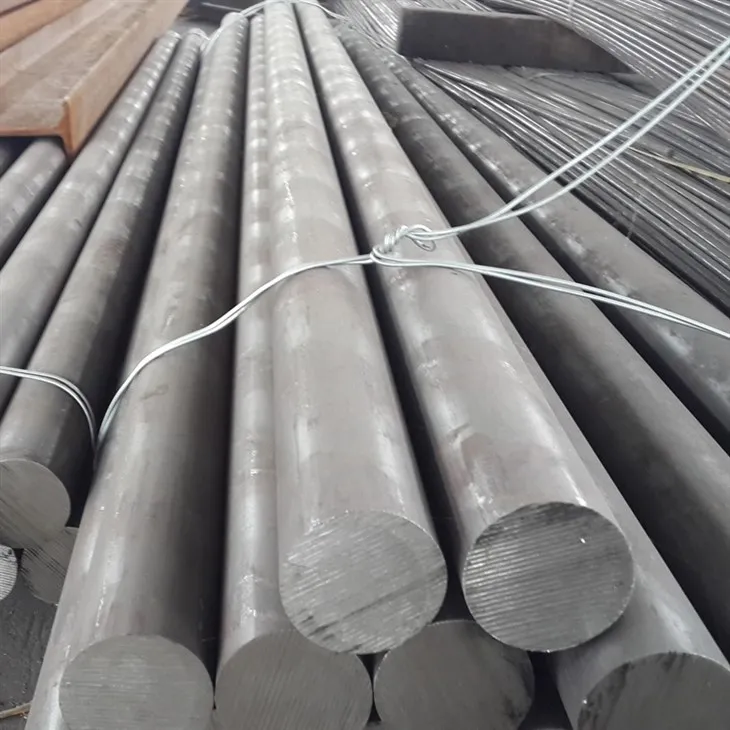

Apart from nickel, we also add other elements. Copper is a common addition. It helps improve the alloy's electrical conductivity and corrosion resistance. Manganese is another element we toss in. It acts as a deoxidizer during the melting process and also contributes to the overall strength of the alloy. Sometimes, we might add small amounts of silicon and iron, depending on the specific properties we want the alloy to have.
Melting and Mixing
Once we've got all the raw materials ready, it's time to melt them down. We use electric arc furnaces for this job. These furnaces are super powerful and can reach extremely high temperatures, around 1400 - 1600 degrees Celsius.
We load the nickel and other alloying elements into the furnace. The intense heat from the electric arc quickly turns the solid metals into a molten state. During this melting process, we constantly stir the molten metal. This ensures that all the elements are evenly mixed. It's like making a delicious smoothie; you want all the flavors to be well - blended!
We also monitor the temperature and chemical composition of the molten metal very closely. We take samples at regular intervals and analyze them using advanced spectrometers. This way, we can make sure that the alloy has the exact chemical composition we're aiming for. If the composition is off even by a tiny bit, it can significantly affect the alloy's conductivity and other properties.
Casting the Molten Alloy
After the melting and mixing are done, it's time to cast the molten alloy into a usable form. There are a few different casting methods we can use. One common method is ingot casting. In this process, we pour the molten alloy into large molds. These molds are usually made of steel or graphite.
As the molten alloy cools in the molds, it solidifies into large blocks called ingots. Ingots are like the building blocks of the conductive nickel alloy. They can be further processed into different shapes and sizes depending on the customer's needs.
Another casting method we use is continuous casting. This is a more advanced and efficient process. In continuous casting, the molten alloy is poured into a water - cooled mold. As the alloy enters the mold, it starts to solidify on the outer surface. The solidified alloy is then continuously pulled out of the mold while more molten alloy is poured in. This results in a long, continuous strand of the alloy, which can be cut into smaller pieces later.
Forming and Shaping
Once we have the ingots or continuous strands, we start the forming and shaping process. This is where we turn the raw alloy into the final products that our customers need.
One of the most common forming methods is rolling. We pass the alloy through a series of rollers. These rollers apply pressure to the alloy, reducing its thickness and increasing its length. Rolling can be done hot or cold. Hot rolling is done at high temperatures, usually above 900 degrees Celsius. It's great for reducing the thickness of the alloy quickly and for achieving a good surface finish. Cold rolling, on the other hand, is done at room temperature. It's used to achieve more precise dimensions and a better surface quality.
We can also use forging to shape the alloy. Forging involves applying a large amount of force to the alloy using hammers or presses. This can be used to create complex shapes and improve the alloy's mechanical properties. For example, forging can make the alloy stronger and more resistant to fatigue.
Heat Treatment
Heat treatment is a crucial step in the production of conductive nickel alloy. It helps to improve the alloy's conductivity, strength, and ductility.
One common heat - treatment process is annealing. Annealing involves heating the alloy to a specific temperature and then slowly cooling it down. This relieves internal stresses in the alloy that were created during the forming and shaping processes. It also helps to refine the grain structure of the alloy, which can improve its conductivity.
Another heat - treatment process is quenching. In quenching, we heat the alloy to a high temperature and then rapidly cool it down by immersing it in a liquid, usually water or oil. Quenching can make the alloy harder and stronger, but it can also make it more brittle. So, we often follow quenching with a tempering process. Tempering involves heating the quenched alloy to a lower temperature and then cooling it slowly. This helps to reduce the brittleness and improve the alloy's toughness.
Surface Treatment
After the heat treatment, we might perform some surface treatments on the conductive nickel alloy. Surface treatments can improve the alloy's corrosion resistance and appearance.
One common surface treatment is electroplating. In electroplating, we coat the alloy with a thin layer of another metal, usually nickel or chromium. This layer acts as a barrier, protecting the alloy from corrosion. Electroplating can also give the alloy a shiny, attractive finish.
We might also use passivation as a surface treatment. Passivation involves treating the alloy with a chemical solution to form a thin, protective oxide layer on its surface. This oxide layer helps to prevent corrosion and improve the alloy's electrical properties.
Quality Control
Throughout the entire manufacturing process, we have strict quality - control measures in place. We test the alloy at every stage to make sure it meets our high standards.
We perform chemical analysis to check the alloy's composition. We also test its mechanical properties, such as strength, hardness, and ductility. Electrical conductivity is, of course, a key property we test. We use specialized equipment to measure the alloy's conductivity and make sure it falls within the specified range.
We also conduct non - destructive testing, such as ultrasonic testing and X - ray testing. These tests help us detect any internal defects in the alloy, such as cracks or voids. If we find any defects, we take immediate steps to correct them or scrap the defective parts.
Conclusion
Making conductive nickel alloy is a complex but fascinating process. From gathering the raw materials to the final quality - control checks, every step is crucial in ensuring that we produce a high - quality product.
If you're in the market for conductive nickel alloy, whether it's for your electronics project, aerospace application, or any other industry, I'd love to chat with you. We've got a wide range of conductive nickel alloy products, and we can customize them to meet your specific needs. So, don't hesitate to reach out and start a conversation about your procurement requirements.
References
- "Nickel and Nickel Alloys: Properties and Applications" by ASM International
- "Handbook of Electrical and Electronic Insulating Materials" by D. C. Sinclair