

How to handle the waste generated from Cr20Ni35 Heating Alloy production and use?
Sep 23, 2025
As a supplier of Cr20Ni35 Heating Alloy, I've witnessed firsthand the growth and evolution of the industry. Cr20Ni35 Heating Alloy, renowned for its high resistivity, excellent oxidation resistance, and long service life, is widely used in various heating applications, from industrial furnaces to household appliances. However, with the increasing production and use of this alloy, the management of the waste it generates has become a pressing issue. In this blog, I'll share some insights on how to handle the waste from Cr20Ni35 Heating Alloy production and use effectively.
Understanding the Waste Generated from Cr20Ni35 Heating Alloy
The waste generated from Cr20Ni35 Heating Alloy production and use can be broadly classified into two categories: solid waste and dust waste. Solid waste mainly includes scraps produced during the manufacturing process, such as leftover materials from cutting and shaping, and used heating elements that have reached the end of their service life. Dust waste, on the other hand, is generated during the machining and grinding processes, which contains fine particles of the alloy.
Both types of waste pose environmental and health risks if not properly managed. The heavy metals in the alloy, such as chromium and nickel, can leach into the soil and water, causing pollution. Inhalation of the dust can also lead to respiratory problems and other health issues for workers and nearby residents.

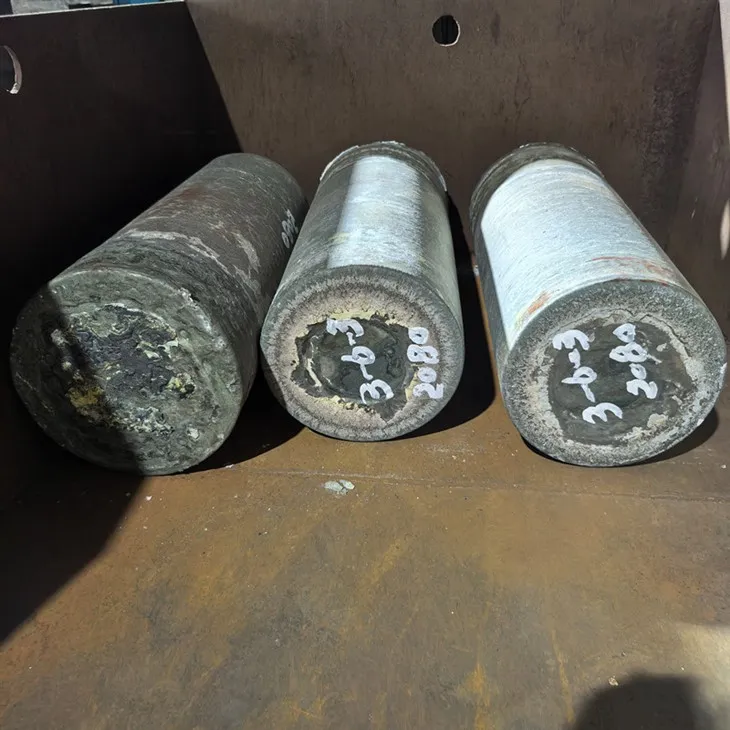
Recycling and Reusing Solid Waste
One of the most effective ways to handle solid waste from Cr20Ni35 Heating Alloy production is through recycling and reuse. Recycling not only reduces the environmental impact but also conserves valuable resources. The process typically involves the following steps:
- Collection and Sorting: The first step is to collect all the solid waste from the production line and sort it according to its type and quality. This helps to ensure that the recycling process is more efficient and the recycled materials meet the required standards.
- Melting and Refining: The sorted waste is then melted in a furnace at high temperatures. During the melting process, impurities are removed through refining techniques, such as slagging and degassing. This results in a high-quality molten alloy that can be used to produce new heating elements.
- Casting and Forming: The molten alloy is then cast into ingots or other shapes, which can be further processed into finished products. This closed-loop recycling system helps to minimize waste and reduce the need for virgin materials.
In addition to recycling, some solid waste can also be reused directly in certain applications. For example, smaller scraps can be used as filler materials or for experimental purposes. This not only reduces waste but also saves costs.
Managing Dust Waste
Dust waste from Cr20Ni35 Heating Alloy production requires special attention due to its fine particle size and potential health risks. To manage dust waste effectively, the following measures can be taken:
- Dust Collection Systems: Installing dust collection systems in the production area is crucial to capture and remove dust particles generated during machining and grinding processes. These systems typically consist of hoods, ducts, and filters that collect the dust and prevent it from being released into the air.
- Personal Protective Equipment (PPE): Workers should be provided with appropriate PPE, such as respirators, gloves, and goggles, to protect them from inhaling or coming into contact with the dust. Regular training on the proper use of PPE should also be provided to ensure its effectiveness.
- Wet Processing: Using wet processing techniques, such as wet grinding and cutting, can help to reduce dust generation. The water used in these processes can also capture and remove the dust particles, making it easier to collect and dispose of them safely.
- Proper Disposal: Once the dust is collected, it should be properly disposed of in accordance with local environmental regulations. This may involve transferring the dust to a specialized waste treatment facility for further processing or disposal.
Environmental and Economic Benefits
Implementing effective waste management strategies for Cr20Ni35 Heating Alloy production and use offers several environmental and economic benefits.
- Environmental Benefits: By recycling and reusing waste, we can reduce the demand for virgin materials, conserve natural resources, and minimize the environmental impact of mining and extraction activities. Proper dust management also helps to prevent air pollution and protect the health of workers and the surrounding community.
- Economic Benefits: Recycling and reuse can significantly reduce production costs by eliminating the need to purchase new materials. It also creates opportunities for the development of new recycling technologies and industries, which can contribute to economic growth and job creation.
Conclusion
As a supplier of Cr20Ni35 Heating Alloy, I am committed to promoting sustainable production and waste management practices. By implementing effective recycling and waste management strategies, we can not only reduce the environmental impact of our operations but also improve our economic competitiveness.
If you are interested in learning more about our Cr20Ni35 Heating Alloy products or have any questions about waste management, please feel free to [initiate a purchase discussion]. We also offer a wide range of related products, such as Nichrome Alloy Rod, Nichrome 8020 Resistance Wire for Industrial Furnace Heating, and 8020 Nichrome Wire. Let's work together to create a more sustainable future.
References
- Smith, J. (2020). Recycling of Nickel - Chromium Alloys. Journal of Materials Recycling, 15(2), 123 - 132.
- Jones, A. (2019). Dust Management in Metal Production. Environmental Science and Technology, 25(3), 456 - 465.
- Brown, C. (2018). Sustainable Manufacturing Practices in the Heating Alloy Industry. Manufacturing Review, 30(4), 78 - 85.