

How to measure the temperature of a heating alloy strip accurately?
Dec 29, 2025
Hey there, folks! As a supplier of heating alloy strips, I know how crucial it is to measure the temperature of these strips accurately. Whether you're using them in industrial heating systems, household appliances, or any other application, getting the temperature right can make a huge difference in performance and safety. In this blog, I'm gonna share some tips and tricks on how to measure the temperature of a heating alloy strip accurately.
First things first, let's talk about why accurate temperature measurement is so important. Heating alloy strips are designed to operate within a specific temperature range. If the temperature gets too high, the strip can overheat, which can lead to premature failure, reduced efficiency, and even safety hazards. On the other hand, if the temperature is too low, the strip may not perform as expected, and your heating system may not work effectively. So, getting the temperature just right is essential for optimal performance and longevity.
Now, let's dive into the different methods of measuring the temperature of a heating alloy strip. There are several options available, each with its own advantages and disadvantages. Here are some of the most common methods:
Thermocouples
Thermocouples are one of the most widely used temperature measurement devices. They work based on the principle of the Seebeck effect, which states that when two different metals are joined together at two junctions, a voltage is generated that is proportional to the temperature difference between the two junctions. Thermocouples are relatively inexpensive, easy to use, and can measure a wide range of temperatures.
To use a thermocouple to measure the temperature of a heating alloy strip, you simply need to attach the thermocouple to the strip. Make sure the thermocouple is in good contact with the strip to get an accurate reading. You can use a thermocouple probe or a thermocouple wire, depending on your application. Once the thermocouple is attached, you can connect it to a temperature controller or a data logger to read the temperature.
Resistance Temperature Detectors (RTDs)
RTDs are another popular temperature measurement device. They work based on the principle that the electrical resistance of a metal changes with temperature. RTDs are more accurate than thermocouples, but they are also more expensive.
To use an RTD to measure the temperature of a heating alloy strip, you need to attach the RTD to the strip. Again, make sure the RTD is in good contact with the strip. You can use an RTD probe or an RTD wire, depending on your application. Once the RTD is attached, you can connect it to a temperature controller or a data logger to read the temperature.
Infrared Thermometers
Infrared thermometers are non-contact temperature measurement devices that work by detecting the infrared radiation emitted by an object. They are easy to use and can measure the temperature of a heating alloy strip from a distance. However, they are not as accurate as thermocouples or RTDs, especially if the surface of the strip is not clean or if there is a lot of dust or debris in the air.
To use an infrared thermometer to measure the temperature of a heating alloy strip, you simply need to point the thermometer at the strip and read the temperature on the display. Make sure the thermometer is pointed directly at the strip and that there are no obstacles between the thermometer and the strip.
Optical Pyrometers
Optical pyrometers are another non-contact temperature measurement device that works by comparing the intensity of the light emitted by an object at a specific wavelength to the intensity of a reference light source. They are more accurate than infrared thermometers, but they are also more expensive and require more skill to use.
To use an optical pyrometer to measure the temperature of a heating alloy strip, you need to look through the pyrometer at the strip and adjust the instrument until the color of the strip matches the color of the reference light source. The temperature reading is then displayed on the pyrometer.
Now that you know the different methods of measuring the temperature of a heating alloy strip, let's talk about some tips for getting accurate measurements.
Calibration
Before you start measuring the temperature of a heating alloy strip, it's important to calibrate your temperature measurement device. Calibration ensures that your device is accurate and reliable. You can calibrate your device using a known temperature source, such as a calibration furnace or a certified thermometer.
Placement
The placement of your temperature measurement device is also important. Make sure the device is placed in a location where it can accurately measure the temperature of the heating alloy strip. Avoid placing the device too close to other heat sources or in areas where there is a lot of airflow, as this can affect the accuracy of the measurement.
Surface Condition
The surface condition of the heating alloy strip can also affect the accuracy of the temperature measurement. Make sure the surface of the strip is clean and free of dirt, debris, and oxidation. If the surface is not clean, the temperature measurement may be inaccurate.
Sampling
If you need to measure the temperature of a heating alloy strip at multiple points, it's important to take samples at different locations. This will give you a more accurate representation of the temperature distribution across the strip.
In addition to these tips, it's also important to choose the right temperature measurement device for your application. Consider factors such as the temperature range, accuracy, response time, and cost when selecting a device.
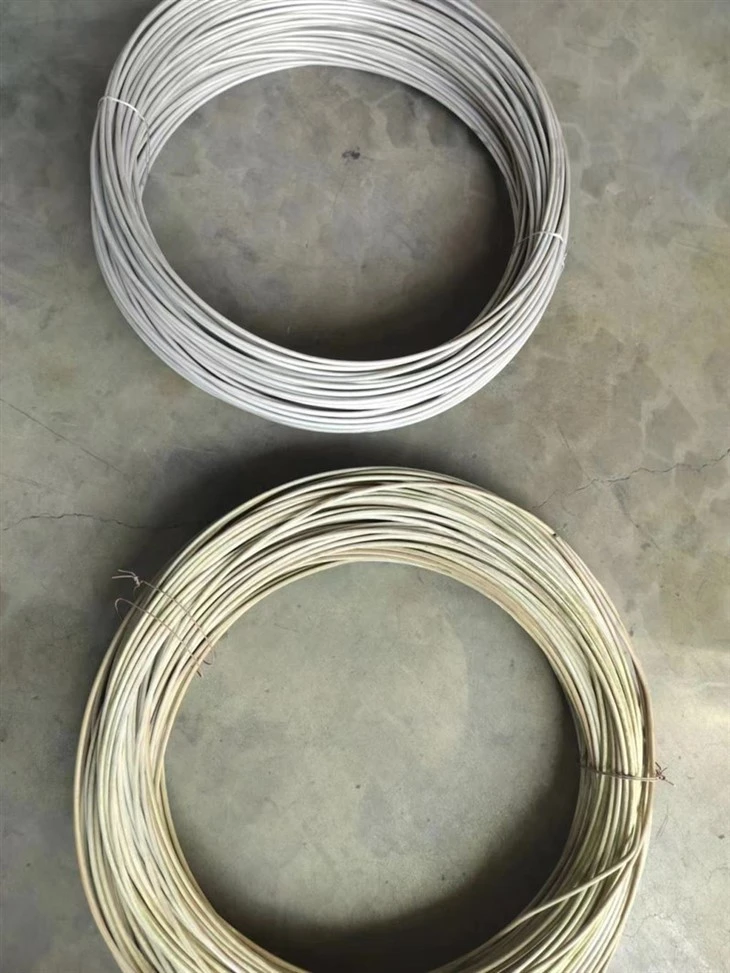

As a heating alloy strip supplier, I offer a wide range of high-quality heating alloy strips, including Hight Temperature Fecral Wire, Heating Element Wire for Breaking, and Fecral Alloy High-temperature. These strips are designed to provide reliable and efficient heating performance in a variety of applications.
If you're looking for a reliable supplier of heating alloy strips or need help with temperature measurement, feel free to contact me. I'd be happy to discuss your requirements and provide you with the best solutions.
References
- Smith, J. (2020). Temperature Measurement Techniques. Elsevier.
- Jones, A. (2019). Heating Alloy Strips: Properties and Applications. Wiley.
- Brown, S. (2018). Principles of Thermocouple and RTD Temperature Measurement. CRC Press.