

What are the machining processes for nickel alloys?
Nov 26, 2025
As a trusted supplier of nickel alloys, I've witnessed firsthand the remarkable properties and diverse applications of these materials. Nickel alloys are renowned for their exceptional corrosion resistance, high-temperature strength, and excellent mechanical properties, making them indispensable in various industries, including aerospace, chemical processing, and marine engineering. In this blog post, I'll delve into the machining processes for nickel alloys, sharing insights and best practices based on my years of experience in the field.
Understanding Nickel Alloys
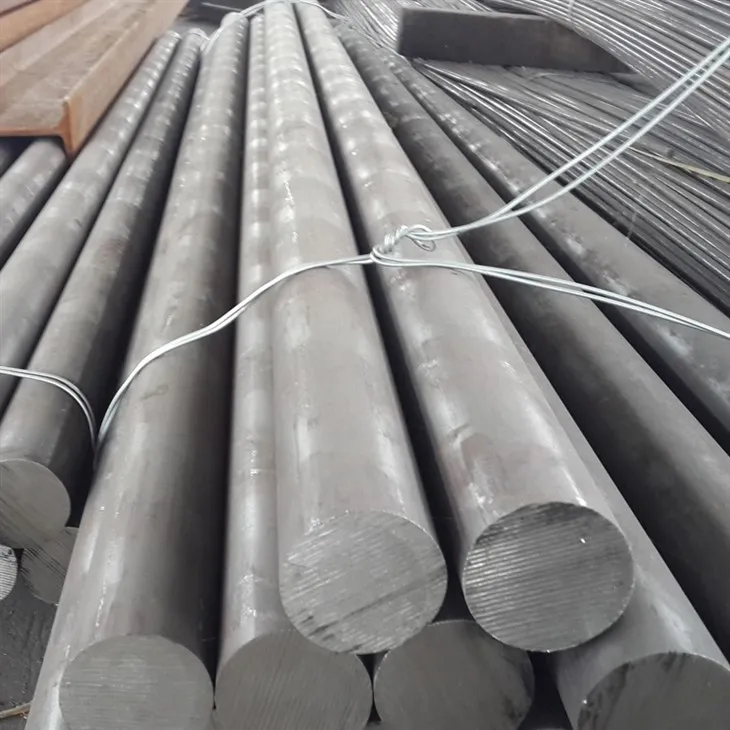
Before we explore the machining processes, it's essential to understand the unique characteristics of nickel alloys. Nickel alloys are composed primarily of nickel, with varying amounts of other elements such as chromium, molybdenum, and iron. These alloying elements enhance the material's properties, making it suitable for specific applications. For example, Nickel Alloy 200 is a commercially pure nickel alloy with excellent corrosion resistance in a wide range of environments, while Nickel 201 is a low-carbon version of Nickel 200, offering improved resistance to stress corrosion cracking.

Challenges in Machining Nickel Alloys
Machining nickel alloys can be challenging due to their high strength, work hardening tendency, and low thermal conductivity. These properties can lead to increased cutting forces, tool wear, and poor surface finish. Additionally, nickel alloys are prone to built-up edge formation, which can further degrade the surface quality and dimensional accuracy of the machined parts. To overcome these challenges, it's crucial to select the appropriate machining processes and cutting tools and optimize the machining parameters.
Machining Processes for Nickel Alloys
Turning
Turning is a common machining process used to produce cylindrical parts from nickel alloys. It involves rotating the workpiece while a cutting tool removes material from the outer diameter. When turning nickel alloys, it's essential to use sharp cutting tools with a positive rake angle to reduce cutting forces and prevent work hardening. High-speed steel (HSS) tools are suitable for low-speed turning operations, while carbide tools are preferred for high-speed turning. Additionally, using a coolant or lubricant can help dissipate heat and reduce tool wear.
Milling
Milling is another widely used machining process for nickel alloys. It involves using a rotating cutter to remove material from the workpiece. Milling can be performed on a variety of surfaces, including flat, curved, and contoured surfaces. When milling nickel alloys, it's important to use a cutter with a high helix angle and a large number of teeth to reduce cutting forces and improve chip evacuation. Carbide end mills are commonly used for milling nickel alloys, as they offer high wear resistance and can withstand the high cutting temperatures generated during the machining process.
Drilling
Drilling is a machining process used to create holes in nickel alloys. It involves using a drill bit to penetrate the workpiece and remove material. When drilling nickel alloys, it's crucial to use a drill bit with a sharp point and a high helix angle to reduce cutting forces and prevent work hardening. Additionally, using a coolant or lubricant can help dissipate heat and reduce tool wear. For deep hole drilling, it may be necessary to use a gun drill or a BTA drill, which are specifically designed for this purpose.
Grinding
Grinding is a finishing process used to improve the surface finish and dimensional accuracy of nickel alloy parts. It involves using an abrasive wheel to remove a small amount of material from the workpiece. When grinding nickel alloys, it's important to use a wheel with a soft bond and a fine grit size to prevent overheating and work hardening. Additionally, using a coolant or lubricant can help dissipate heat and reduce wheel wear.
Cutting Tools for Nickel Alloys
Selecting the appropriate cutting tools is crucial for successful machining of nickel alloys. Carbide tools are the most commonly used cutting tools for nickel alloys due to their high hardness, wear resistance, and thermal stability. Coated carbide tools, such as titanium nitride (TiN), titanium carbonitride (TiCN), and aluminum titanium nitride (AlTiN), offer even better performance, as they provide an additional layer of protection against wear and corrosion.
In addition to carbide tools, ceramic tools and cubic boron nitride (CBN) tools are also used for machining nickel alloys. Ceramic tools are known for their high hardness and thermal stability, making them suitable for high-speed machining applications. CBN tools, on the other hand, are extremely hard and wear-resistant, making them ideal for machining hardened nickel alloys.
Machining Parameters
Optimizing the machining parameters is essential for achieving high-quality results when machining nickel alloys. The key machining parameters include cutting speed, feed rate, and depth of cut.
- Cutting Speed: The cutting speed is the speed at which the cutting tool moves relative to the workpiece. It's typically measured in surface feet per minute (SFM) or meters per minute (m/min). When machining nickel alloys, it's important to use a relatively low cutting speed to prevent excessive tool wear and work hardening. The recommended cutting speed for nickel alloys ranges from 50 to 200 SFM, depending on the specific alloy and the cutting tool being used.
- Feed Rate: The feed rate is the rate at which the cutting tool advances into the workpiece. It's typically measured in inches per revolution (IPR) or millimeters per revolution (mm/rev). When machining nickel alloys, it's important to use a relatively low feed rate to reduce cutting forces and prevent work hardening. The recommended feed rate for nickel alloys ranges from 0.002 to 0.010 IPR, depending on the specific alloy and the cutting tool being used.
- Depth of Cut: The depth of cut is the amount of material removed from the workpiece in a single pass. It's typically measured in inches or millimeters. When machining nickel alloys, it's important to use a relatively small depth of cut to reduce cutting forces and prevent work hardening. The recommended depth of cut for nickel alloys ranges from 0.010 to 0.100 inches, depending on the specific alloy and the cutting tool being used.
Coolants and Lubricants
Using coolants and lubricants is essential for successful machining of nickel alloys. Coolants help dissipate heat, reduce tool wear, and improve surface finish. Lubricants, on the other hand, reduce friction between the cutting tool and the workpiece, which can help reduce cutting forces and prevent built-up edge formation.
There are several types of coolants and lubricants available for machining nickel alloys, including water-based coolants, oil-based coolants, and synthetic coolants. Water-based coolants are the most commonly used coolants for machining nickel alloys, as they offer good cooling and lubrication properties and are environmentally friendly. Oil-based coolants, on the other hand, offer better lubrication properties but are more expensive and can be more difficult to dispose of. Synthetic coolants are a relatively new type of coolant that offers the best of both worlds, combining the cooling properties of water-based coolants with the lubrication properties of oil-based coolants.
Conclusion
Machining nickel alloys can be challenging, but with the right knowledge and techniques, it's possible to achieve high-quality results. By selecting the appropriate machining processes, cutting tools, and machining parameters, and using coolants and lubricants, you can overcome the challenges associated with machining nickel alloys and produce parts that meet the highest standards of quality and performance.
If you're interested in learning more about nickel alloys or have any questions about machining processes, please don't hesitate to contact us. We're a leading supplier of nickel alloys, and we're committed to providing our customers with the highest quality products and services. Whether you're looking for a specific nickel alloy or need help selecting the right machining process for your application, our team of experts is here to assist you. Contact us today to start a conversation about your nickel alloy needs.
References
- ASM Handbook, Volume 16: Machining, ASM International, 1989.
- Machining Data Handbook, Third Edition, Metcut Research Associates, 1980.
- Nickel and Nickel Alloys: Properties, Processing, and Applications, ASM International, 2000.