

What are the welding techniques for special metals in jewelry making?
Oct 21, 2025
Special metals play a crucial role in jewelry making, offering unique properties such as high strength, corrosion resistance, and distinctive aesthetics. As a special metals welding supplier, I've witnessed firsthand the importance of using the right welding techniques for these materials. In this blog post, I'll explore some of the welding techniques suitable for special metals in jewelry making.
Understanding Special Metals in Jewelry Making
Special metals used in jewelry making include a wide range of alloys, each with its own set of characteristics. For instance, Inconel 625 is a nickel-chromium-molybdenum alloy known for its excellent corrosion resistance and high strength. It's often used in high-end jewelry pieces that require durability and resistance to harsh environments. Another popular special metal is Aisi 347 Stainless Steel, which contains niobium and tantalum, providing good resistance to intergranular corrosion. This makes it a great choice for jewelry that will be exposed to various chemicals or moisture.
TIG Welding
Tungsten Inert Gas (TIG) welding is one of the most commonly used techniques for welding special metals in jewelry making. This process uses a non-consumable tungsten electrode to create an arc between the electrode and the workpiece. An inert gas, such as argon, is used to shield the weld area from atmospheric contamination.
One of the main advantages of TIG welding is its precision. It allows for very fine control over the heat input and the weld pool, making it ideal for delicate jewelry pieces. TIG welding also produces high-quality welds with minimal distortion, which is crucial when working with special metals that may be prone to warping.
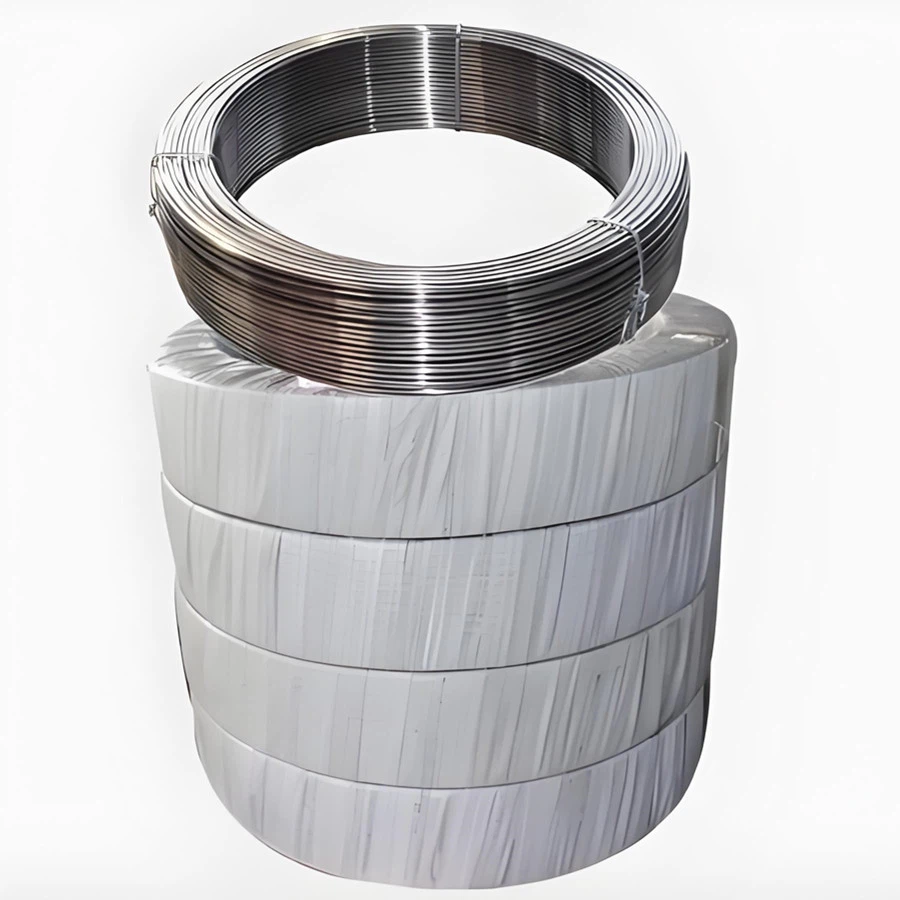
When using TIG welding for special metals, it's important to select the appropriate filler material. For example, Er310 Welding Wire is a popular choice for welding stainless steels and some nickel-based alloys. It provides good strength and corrosion resistance, ensuring a durable weld.
Laser Welding
Laser welding has gained popularity in recent years for jewelry making, especially when working with special metals. This technique uses a high-powered laser beam to melt and fuse the metal parts together. Laser welding offers several advantages over traditional welding methods.
Firstly, it has a very high energy density, which means that it can quickly heat and melt the metal without causing excessive heat damage to the surrounding area. This is particularly important when working with special metals that have low thermal conductivity or are sensitive to heat. Secondly, laser welding allows for precise control over the weld location and size, enabling jewelers to create intricate designs with minimal distortion.
However, laser welding equipment can be expensive, and it requires a certain level of skill and expertise to operate effectively. Additionally, the type of laser used and the welding parameters need to be carefully selected based on the specific special metal being welded.
Resistance Welding
Resistance welding is another technique that can be used for welding special metals in jewelry making. This process works by passing an electric current through the metal parts to be joined, generating heat at the contact points due to the resistance of the metal. The heat causes the metal to melt and fuse together.
Resistance welding is relatively fast and can be automated, making it suitable for mass production of jewelry pieces. It also produces clean welds with minimal spatter. However, it may not be as precise as TIG or laser welding, and it requires proper electrode design and pressure control to ensure a good weld quality.
Brazing
Brazing is a joining process that uses a filler metal with a lower melting point than the base metals to be joined. The filler metal is heated until it melts and flows into the joint by capillary action, bonding the metal parts together.
Brazing is a versatile technique that can be used for a variety of special metals in jewelry making. It allows for the joining of dissimilar metals and can be used to create strong and aesthetically pleasing joints. However, the choice of filler metal is crucial, as it needs to have good compatibility with the base metals and provide the desired properties such as strength and corrosion resistance.
Considerations for Welding Special Metals
When welding special metals in jewelry making, there are several factors to consider. Firstly, the surface preparation of the metal is essential. The metal surfaces should be clean and free from contaminants such as oil, grease, and oxides. This can be achieved through processes such as degreasing, sanding, and pickling.

Secondly, the welding environment needs to be controlled. Special metals are often sensitive to atmospheric contamination, so it's important to use an inert gas shielding or work in a controlled atmosphere to prevent oxidation and other forms of contamination during the welding process.
Finally, post-weld treatment may be required for some special metals. This can include processes such as annealing to relieve internal stresses, polishing to improve the surface finish, and passivation to enhance the corrosion resistance of the weld.
Conclusion
Welding special metals in jewelry making requires a combination of the right techniques, materials, and skills. TIG welding, laser welding, resistance welding, and brazing are all viable options, each with its own advantages and limitations. As a special metals welding supplier, I'm committed to providing high-quality welding materials and technical support to help jewelers achieve the best results.
If you're interested in purchasing special metals or welding supplies for your jewelry making projects, or if you have any questions about the welding techniques for special metals, please don't hesitate to contact us for further discussion and procurement negotiation. We look forward to working with you to create beautiful and durable jewelry pieces.
References
- "Welding Metallurgy and Weldability of Nickel-Base Alloys" by John C. Lippold and David J. Kotecki.
- "The Science and Technology of Welding" by John Norrish.
- "Jewelry Making: Techniques and Design" by Tim McCreight.