

What is a kanthal heating element?
Nov 11, 2025
What is a Kanthal Heating Element?
As a supplier of Kanthal heating elements, I am often asked by customers about what exactly a Kanthal heating element is. In this blog, I will delve into the details of Kanthal heating elements, exploring their composition, properties, applications, and why they are a popular choice in various industries.
Composition of Kanthal Heating Elements
Kanthal heating elements are typically made from iron-chromium-aluminum (FeCrAl) alloys. These alloys are carefully formulated to provide excellent resistance to high temperatures and oxidation. The precise composition of the alloy can vary depending on the specific requirements of the application.
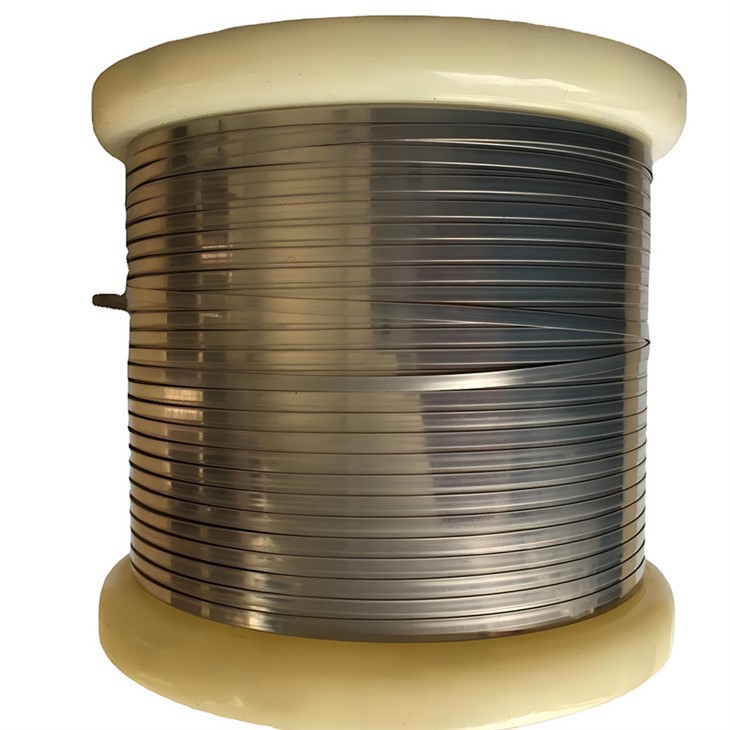
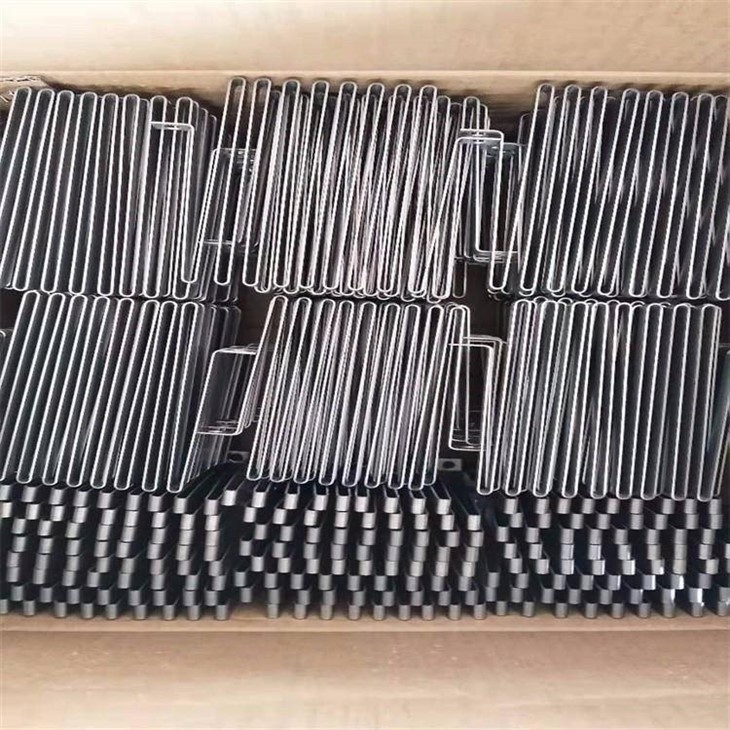
One of the common alloys used in Kanthal heating elements is Cr20Al5. This alloy contains approximately 20% chromium, 5% aluminum, and the rest is iron. Another popular alloy is Cr15Al5, which has a slightly different composition with 15% chromium and 5% aluminum. Additionally, 0Cr21Al6Nb Resistance Wire is also used in some high - performance Kanthal heating elements. The addition of niobium (Nb) in this alloy enhances its high - temperature stability and mechanical properties.
Properties of Kanthal Heating Elements
- High Temperature Resistance
Kanthal heating elements can withstand extremely high temperatures. They can operate at temperatures up to 1400°C (2552°F) without significant degradation. This high - temperature resistance makes them suitable for applications such as industrial furnaces, where they need to heat materials to very high temperatures for processes like annealing, hardening, and sintering. - Oxidation Resistance
The aluminum in the FeCrAl alloys forms a thin, protective oxide layer on the surface of the heating element when it is heated. This oxide layer acts as a barrier, preventing further oxidation of the underlying metal. As a result, Kanthal heating elements have a long service life even in oxidizing atmospheres. This property is crucial in applications where the heating element is exposed to air or other oxidizing gases at high temperatures. - High Electrical Resistance
Kanthal alloys have a relatively high electrical resistance. This means that when an electric current is passed through the heating element, it converts electrical energy into heat energy efficiently. The high electrical resistance allows for precise control of the heating process, as the amount of heat generated can be easily adjusted by varying the current or voltage applied to the element. - Mechanical Strength
Despite being exposed to high temperatures, Kanthal heating elements maintain good mechanical strength. They can withstand thermal cycling, which is the repeated heating and cooling process, without cracking or deforming. This mechanical stability is essential for applications where the heating element may be subject to vibrations or mechanical stresses during operation.
Applications of Kanthal Heating Elements
- Industrial Furnaces
Industrial furnaces are one of the most common applications of Kanthal heating elements. They are used in a wide range of industries, including metalworking, ceramics, and glass manufacturing. In metalworking, Kanthal heating elements are used to heat metals for forging, heat treatment, and melting processes. In the ceramics and glass industries, they are used to fire and anneal ceramic and glass products. - Home Appliances
Kanthal heating elements are also found in many home appliances. For example, they are used in electric ovens, toasters, and hair dryers. In electric ovens, the heating elements provide the heat needed to cook food. In toasters, they quickly heat up to toast bread, and in hair dryers, they generate the hot air used to dry hair. - Laboratory Equipment
In laboratories, Kanthal heating elements are used in various types of equipment, such as incubators, muffle furnaces, and hot plates. These elements provide a reliable and controllable source of heat for scientific experiments and sample preparation. - Automotive Industry
In the automotive industry, Kanthal heating elements are used in some applications, such as diesel engine glow plugs. Glow plugs use the heat generated by the heating element to pre - heat the combustion chamber in diesel engines, making it easier to start the engine, especially in cold weather.
Advantages of Choosing Kanthal Heating Elements from Our Company
As a supplier of Kanthal heating elements, we offer several advantages to our customers.
- Quality Assurance
We source our raw materials from reputable suppliers and use advanced manufacturing processes to ensure the high quality of our Kanthal heating elements. Each element undergoes strict quality control tests before it is shipped to the customer. This ensures that our customers receive reliable and long - lasting heating elements. - Customization
We understand that different customers have different requirements. That's why we offer customization services. We can manufacture Kanthal heating elements in various shapes, sizes, and resistance values according to the customer's specifications. Whether you need a small heating element for a laboratory device or a large one for an industrial furnace, we can meet your needs. - Technical Support
Our team of experienced engineers and technicians is always ready to provide technical support to our customers. If you have any questions about the installation, operation, or maintenance of our Kanthal heating elements, we can offer you professional advice and solutions.
Contact Us for Procurement
If you are interested in purchasing Kanthal heating elements for your application, we invite you to contact us for further discussion. Our team will be happy to provide you with detailed product information, pricing, and delivery options. We look forward to establishing a long - term business relationship with you and helping you find the best heating solutions for your needs.
References
- ASM Handbook Volume 2: Properties and Selection: Nonferrous Alloys and Special - Purpose Materials. ASM International.
- Metals Handbook Desk Edition, Third Edition. ASM International.
- "High - Temperature Alloys" by John D. Verhoeven.