

How to improve the performance of fecral?
Dec 24, 2025
Hey there! As a Fecral supplier, I've seen firsthand how crucial it is to get the best performance out of this amazing material. Fecral, a family of iron-chromium-aluminum alloys, is widely used in various high-temperature applications, from heating elements in industrial furnaces to electrical resistance wires in household appliances. But how can we make it perform even better? Let's dive in!
Understanding Fecral Basics
Before we start talking about improving performance, let's quickly go over what makes Fecral so special. Fecral alloys are known for their excellent oxidation resistance at high temperatures. This is thanks to the formation of a protective aluminum oxide layer on the surface when exposed to heat. This layer acts as a barrier, preventing further oxidation and extending the lifespan of the material.
Another great thing about Fecral is its high electrical resistivity. This property makes it ideal for use in heating elements, as it can convert electrical energy into heat efficiently. Plus, Fecral has good mechanical properties, which means it can withstand thermal cycling and mechanical stress without breaking down easily.
Factors Affecting Fecral Performance
Now, let's look at some of the factors that can affect the performance of Fecral. One of the most important factors is the composition of the alloy. Different Fecral alloys have different amounts of iron, chromium, and aluminum, as well as other trace elements. These variations can have a significant impact on the material's properties, such as its oxidation resistance, electrical resistivity, and mechanical strength.

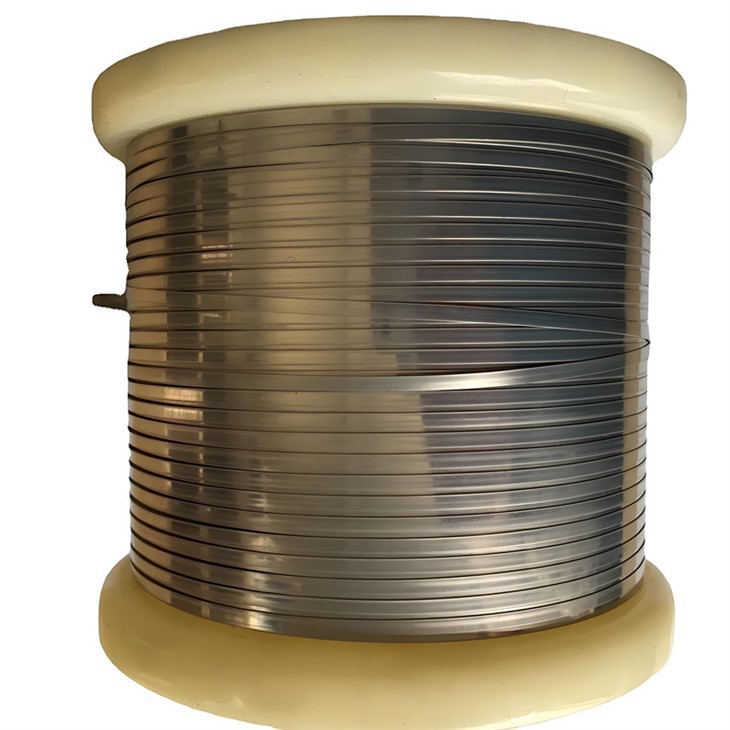
For example, the Cr20Al5 alloy contains 20% chromium and 5% aluminum. This alloy is known for its high electrical resistivity and good oxidation resistance at moderate temperatures. On the other hand, the 0Cr21Al6Nb Resistance Wire has a slightly different composition, with 21% chromium, 6% aluminum, and a small amount of niobium. This alloy offers better oxidation resistance at higher temperatures and improved mechanical properties.
The manufacturing process also plays a crucial role in determining the performance of Fecral. The way the alloy is melted, cast, and processed can affect its microstructure and properties. For instance, proper heat treatment can refine the grain structure of the material, which can improve its mechanical strength and oxidation resistance.
Tips to Improve Fecral Performance
So, how can we improve the performance of Fecral? Here are some tips based on my experience as a supplier:
1. Choose the Right Alloy
The first step is to select the appropriate Fecral alloy for your specific application. Consider the operating temperature, the required electrical resistivity, and the mechanical stress the material will be subjected to. If you're working in a high-temperature environment, an alloy with a higher aluminum content, such as the 1.4767 Heating Resistance Strip, might be a better choice. This alloy can form a more stable aluminum oxide layer, providing better protection against oxidation.
2. Optimize the Manufacturing Process
Work with a reliable manufacturer who has experience in producing high-quality Fecral products. Make sure the manufacturing process includes proper melting, casting, and heat treatment steps. For example, during the heat treatment process, the material should be heated to the appropriate temperature and held for the right amount of time to achieve the desired microstructure. This can improve the material's mechanical properties and oxidation resistance.
3. Control the Operating Conditions
The performance of Fecral can also be affected by the operating conditions. Try to keep the operating temperature within the recommended range for the specific alloy. Avoid sudden temperature changes, as this can cause thermal stress and lead to cracking or deformation of the material. Additionally, make sure the environment is clean and free from contaminants that could react with the Fecral and degrade its performance.
4. Regular Maintenance and Inspection
Regular maintenance and inspection are essential to ensure the long-term performance of Fecral. Check the heating elements or other Fecral components regularly for signs of wear, oxidation, or damage. If any issues are detected, take appropriate measures to repair or replace the affected parts. This can prevent further damage and extend the lifespan of the material.
Case Studies
Let me share a couple of case studies to illustrate how these tips can make a difference in real-world applications.
Case Study 1: Industrial Furnace
A customer was using a Fecral heating element in an industrial furnace. The initial alloy they were using was not performing well at the high operating temperature of the furnace, and the heating element was oxidizing quickly and losing its electrical resistivity. After consulting with us, we recommended switching to a higher-aluminum-content Fecral alloy and optimizing the manufacturing process. The new alloy was able to form a more stable aluminum oxide layer, which significantly improved its oxidation resistance. As a result, the lifespan of the heating element increased by more than 50%, and the customer saw a reduction in maintenance costs and downtime.
Case Study 2: Household Appliance
Another customer was using Fecral resistance wires in a household appliance. They were experiencing issues with the wires breaking down due to thermal cycling. We advised them to control the operating conditions more carefully and perform regular maintenance. By keeping the temperature within the recommended range and inspecting the wires regularly, they were able to reduce the number of wire failures and improve the overall performance of the appliance.
Conclusion
Improving the performance of Fecral is all about understanding its properties, choosing the right alloy, optimizing the manufacturing process, controlling the operating conditions, and performing regular maintenance. By following these tips, you can get the most out of this amazing material and ensure its long-term reliability in your applications.
If you're interested in learning more about Fecral or need help choosing the right alloy for your project, feel free to reach out. We're here to assist you with all your Fecral needs and can provide you with high-quality products and expert advice. Let's work together to take your Fecral applications to the next level!
References
- "High Temperature Alloys for Power Engineering 2002", edited by F. Przybylski
- "Handbook of Advanced Electronic and Photonic Materials and Devices", edited by H.S. Nalwa