

What are the health risks associated with nickel alloys?
Jan 15, 2026
Hey there! I'm a supplier of nickel alloys, and today I want to chat about the health risks associated with these materials. Nickel alloys are super useful in a bunch of industries, from aerospace to electronics, thanks to their awesome properties like high corrosion resistance and strength. But it's important to know that they can also pose some health challenges.
First off, let's talk about what nickel alloys are. Nickel alloys are basically mixtures of nickel with other elements like iron, chromium, and copper. This combination gives them unique characteristics that make them suitable for different applications. For example, Nickel Alloy 200 is known for its high purity and excellent corrosion resistance in many environments. It's often used in chemical processing and food handling industries. Another popular one is Nickel 201, which has similar properties but with lower carbon content, making it great for applications where carbon pickup needs to be minimized.

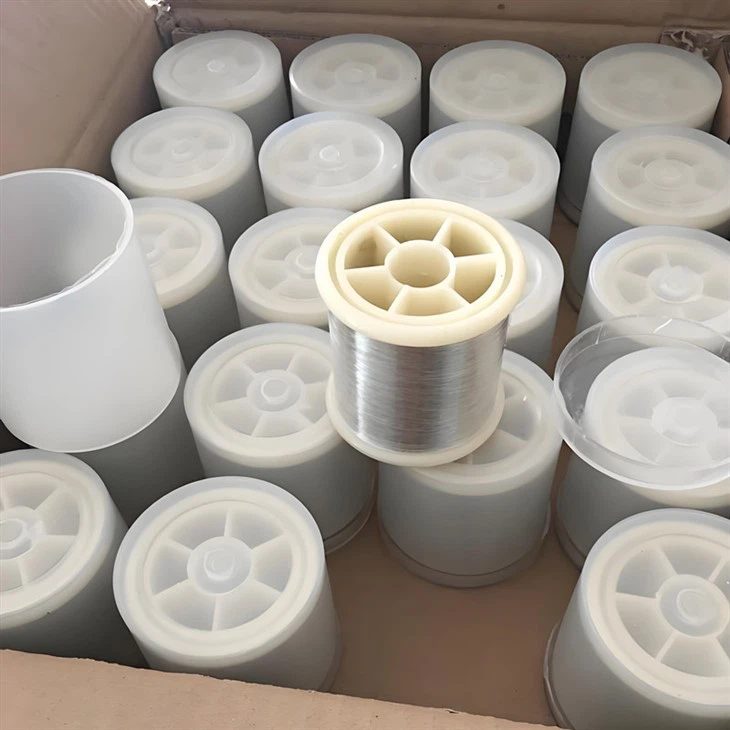
Now, let's get into the health risks. One of the most common issues related to nickel alloys is nickel allergy. A lot of people are allergic to nickel, and when they come into contact with nickel alloys, they can develop an allergic reaction. This usually shows up as a skin rash, itching, redness, and swelling. It can be really uncomfortable and even painful in some cases. The reaction typically occurs after repeated or prolonged exposure to the alloy. For example, if you're wearing jewelry made from a nickel alloy, you might notice these symptoms on your skin where the jewelry touches it.
In the workplace, workers who handle nickel alloys are at a higher risk of developing nickel allergy. People in industries like metalworking, electroplating, and jewelry making are constantly exposed to these materials. They might inhale nickel particles or have direct skin contact with the alloys during the manufacturing process. This long - term exposure can increase the likelihood of developing an allergy.
Another health concern is the potential for respiratory problems. When nickel alloys are heated, cut, or welded, tiny nickel particles can be released into the air. If these particles are inhaled, they can cause irritation in the respiratory tract. This can lead to symptoms like coughing, wheezing, shortness of breath, and chest tightness. In more severe cases, long - term inhalation of nickel particles can even increase the risk of developing lung diseases such as lung cancer and pulmonary fibrosis.
The International Agency for Research on Cancer (IARC) has classified certain nickel compounds as carcinogenic to humans. Although not all nickel alloys are the same, the presence of nickel in these alloys means there's a potential risk. The risk is higher for workers in industries where there's a lot of dust and fumes containing nickel, such as foundries and welding shops.
Nickel can also have an impact on the digestive system. If someone accidentally ingests a small amount of nickel alloy, it can cause nausea, vomiting, abdominal pain, and diarrhea. This is more likely to happen in situations where there's contamination of food or water with nickel particles. For example, if a nickel alloy container is used to store acidic foods or drinks, the acid can react with the alloy and release nickel ions into the food or drink.
Now, you might be thinking, "So, are nickel alloys really that bad?" Well, not necessarily. The key is to take proper precautions. In the workplace, employers should provide appropriate personal protective equipment (PPE) such as gloves, masks, and goggles to reduce exposure. They should also have good ventilation systems in place to remove nickel dust and fumes from the air. Regular health check - ups for workers can help detect any early signs of nickel - related health problems.
For consumers, it's important to be aware of the nickel content in products. If you have a nickel allergy, look for products that are labeled as nickel - free. When buying jewelry, choose pieces made from hypoallergenic materials.
As a supplier of nickel alloys, I understand the importance of both the benefits and the risks. We take every measure to ensure that the nickel alloys we supply meet high - quality standards and are safe to use when proper precautions are taken. We work closely with our customers to provide them with all the necessary information about the alloys, including their composition and potential health risks.
If you're in the market for nickel alloys and have any questions or concerns about the health risks or the products themselves, don't hesitate to reach out. We're here to help you make the right choice for your specific needs. Whether you're in the aerospace industry looking for a high - strength alloy or in the electronics field needing a corrosion - resistant material, we've got you covered.
In conclusion, while nickel alloys offer many advantages in various industries, it's crucial to be aware of the associated health risks. By taking the right precautions, both in the workplace and in daily life, we can minimize these risks and still enjoy the benefits of these amazing materials.
References
- International Agency for Research on Cancer (IARC). Monographs on the Evaluation of Carcinogenic Risks to Humans. Nickel Compounds.
- Occupational Safety and Health Administration (OSHA). Standards and Guidance on Nickel Exposure in the Workplace.
- American Academy of Dermatology. Nickel Allergy: Causes, Symptoms, and Treatment.